Ice vs. Heat: When to Use Each for Pain and Injuries
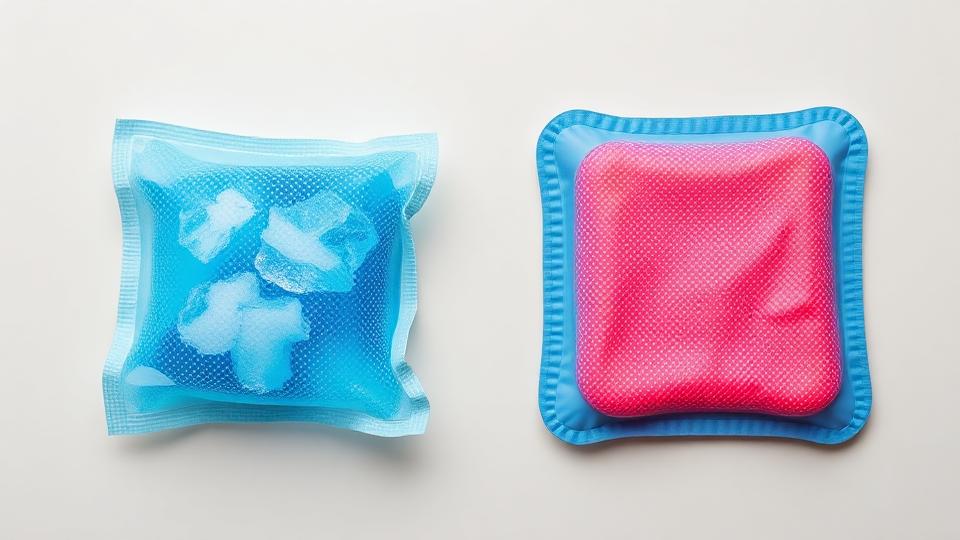
"Should I use ice or heat?" It's one of the most common questions patients ask — and one of the most commonly answered incorrectly. Grab the wrong one at the wrong time and you could actually slow down your recovery or make pain worse.
The good news: once you understand the simple logic behind each, it's easy to remember.
The Core Principle
Ice manages inflammation and acute pain. Heat relaxes muscles and improves circulation for chronic or stiff conditions. The key question is: how recent is the injury?
When to Use Ice
Use ice for new or acute injuries — anything that happened within the past 48–72 hours.
Ice works by:
- Constricting blood vessels to reduce swelling and inflammation
- Numbing the area to decrease acute pain
- Slowing tissue metabolism to limit secondary damage
Best uses for ice:
- Acute sprains and strains (rolled ankle, pulled muscle)
- Fresh sports injuries or post-game soreness
- Swelling around a joint after activity
- Post-chiropractic adjustment soreness (first 24 hours)
- Bursitis or tendinitis flare-ups
How to ice properly:
- Apply for 15–20 minutes at a time
- Always use a cloth or towel between the ice and skin to prevent frostbite
- Repeat every 1–2 hours as needed during the first 48–72 hours
- Never fall asleep with ice on your skin
When to Use Heat
Use heat for chronic pain, muscle tension, and stiffness — conditions that have been present for more than 72 hours without active inflammation.
Heat works by:
- Dilating blood vessels to improve circulation and oxygen delivery
- Relaxing muscle spasms and reducing stiffness
- Promoting tissue flexibility before stretching or exercise
Best uses for heat:
- Chronic neck or back pain and stiffness
- Muscle tightness or spasms
- Arthritis discomfort (not during a flare)
- Before stretching, yoga, or exercise to loosen muscles
- Tension headaches caused by tight neck or shoulder muscles
How to apply heat safely:
- Use a heating pad, warm towel, or heat pack for 15–20 minutes
- Keep heat at a comfortable, moderate level — not too hot
- Never apply heat to swollen, red, or acutely inflamed areas
- Don't fall asleep with a heating pad on
Quick Reference Guide
| Situation | Use | |-----------|-----| | Sprained ankle (day 1–3) | ❄️ Ice | | Sore lower back (ongoing) | 🔥 Heat | | Post-workout muscle soreness | ❄️ Ice (first 24h), then 🔥 Heat | | Stiff neck in the morning | 🔥 Heat | | Fresh bruise or swelling | ❄️ Ice | | Arthritis (chronic stiffness) | 🔥 Heat | | Tendinitis flare-up | ❄️ Ice | | Muscle tension headache | 🔥 Heat |
What About Contrast Therapy?
Some athletes and rehab protocols use alternating ice and heat (contrast therapy) to promote circulation and recovery. This technique works well for:
- Reducing delayed-onset muscle soreness (DOMS) after training
- Improving circulation in recovering extremities
- Post-acute injury recovery (after the first 72 hours)
A common approach: 1 minute cold, 3 minutes warm, repeated 3–5 times. Always start and end with cold to minimize residual swelling.
When to Skip Both
Neither ice nor heat should be applied if you have:
- Open wounds or broken skin
- Decreased sensation in the area (nerve damage, diabetes)
- Poor circulation (peripheral vascular disease)
- Skin conditions that worsen with temperature changes
If you're pregnant, always consult your provider before applying heat to the abdomen or lower back.
The Bottom Line
- New injury with swelling? → Ice.
- Chronic pain or stiffness? → Heat.
- Not sure? Ice is the safer choice to start — it won't make most conditions worse, while heat applied to an inflamed area can.
Of course, ice and heat are supportive tools — not substitutes for proper treatment. If your pain isn't improving after a few days, it's time to get evaluated. Chiropractic care addresses the root cause of pain rather than just managing symptoms.
If you're unsure what's right for your situation, **schedule a consultation** and we'll put together a plan tailored to your recovery.
Ready to Feel Better?
Schedule an appointment with Dr. Avi Korman and start your path to recovery.
Book Now